- Get link
- X
- Other Apps
Geopolitical Shocks and Digital Assets: The New Crypto Paradigm Post Iran-America Tensions
The global stage is perpetually in flux, and recent escalations in tensions between Iran and America have once again demonstrated how swiftly geopolitical events can ripple through financial markets. While traditional assets like oil and gold often dominate headlines during such periods, the burgeoning cryptocurrency landscape has found itself increasingly intertwined with these developments. Far from being an isolated niche, digital assets are now navigating a complex interplay of investor sentiment, regulatory responses, and their own evolving role in a world grappling with geopolitical risks [kw1].
The Immediate Aftershocks: Crypto as a Safe Haven?
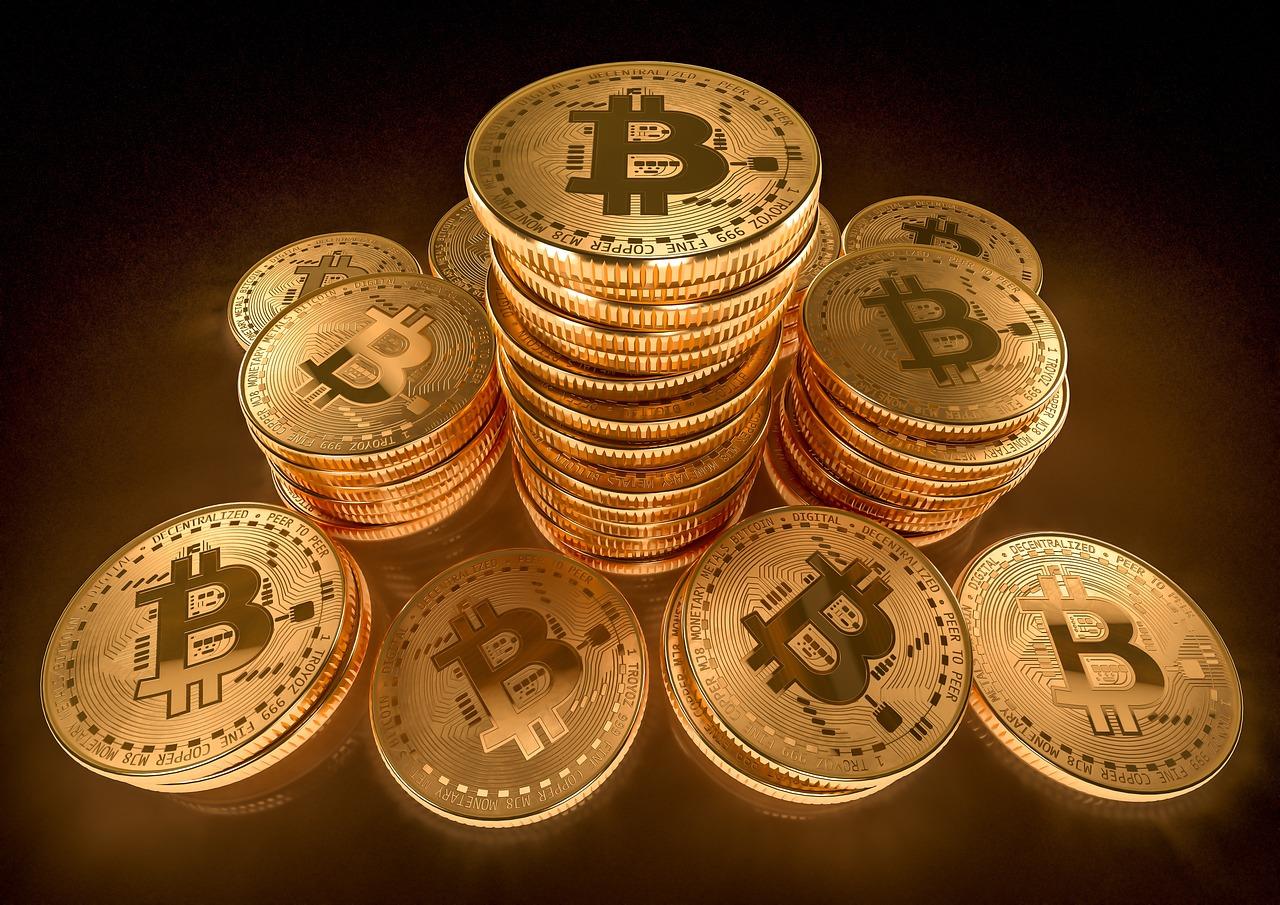
Historically, periods of global instability have often seen investors flock to perceived safe havens, with gold being the quintessential example. In the wake of heightened Iran-America tensions, many observed a familiar pattern in the cryptocurrency market. Bitcoin, often dubbed "digital gold," experienced a notable surge, reinforcing the narrative that it can act as a hedge against traditional market volatility and political uncertainty. This initial reaction underscored a growing belief among a segment of investors that decentralized cryptocurrencies offer a shield from state-controlled financial systems and inflationary pressures. However, this 'safe haven' status is still debated, as subsequent market corrections have shown that crypto remains susceptible to broader risk-off sentiments.
Sanctions, Sovereignty, and Decentralized Finance [kw2]
One of the most significant implications of escalating tensions, particularly involving nations under economic sanctions, is the potential role of cryptocurrencies in circumventing traditional financial controls. Iran, already facing stringent international sanctions, has previously explored the development of state-backed digital currencies and shown interest in using cryptocurrencies for international trade. The inherent borderless and pseudonymous nature of decentralized finance [kw2] presents both a challenge and a potential avenue for nations seeking to bypass conventional banking systems. This scenario inevitably amplifies scrutiny from global regulators, raising complex questions about how to enforce sanctions in a digitally interconnected world and the responsibilities of crypto exchanges and service providers.
Regulatory Scrutiny and the Path Forward
The geopolitical context inevitably sharpens the focus on cryptocurrency regulation. Governments worldwide are increasingly concerned about digital assets being used for illicit activities, money laundering, and sanctions evasion. The tensions between Iran and America serve as a stark reminder of these vulnerabilities, potentially accelerating calls for more stringent Know Your Customer (KYC) and Anti-Money Laundering (AML) frameworks within the crypto industry. While many in the crypto community champion decentralization and privacy, the imperative for national security and financial stability will likely push for greater transparency and oversight. This dynamic tension will define the future of regulatory landscapes, as policymakers strive to balance innovation with necessary controls.
Investor Confidence and Long-Term Outlook
Beyond immediate price movements, geopolitical events shape long-term investor confidence and institutional adoption. The perception of cryptocurrency as a legitimate and resilient asset class can either be bolstered or undermined by how it weathers such storms. If digital assets consistently demonstrate utility beyond speculative trading – perhaps as a robust payment rail, a censorship-resistant store of value, or a tool for financial inclusion in challenging environments – their appeal could strengthen. Conversely, if perceived risks related to regulatory crackdowns or market manipulation escalate, it could temper broader institutional entry. The path forward for crypto will require navigating these complex waters, demonstrating maturity, and adapting to the evolving global economic and political landscape.
In conclusion, the Iran-America tensions have served as a powerful litmus test for the cryptocurrency market, highlighting both its potential as an alternative financial instrument and the profound regulatory challenges it faces. As the world continues to grapple with geopolitical uncertainty, the role of digital assets will undoubtedly become more prominent, shaping not only financial systems but also the very contours of global power dynamics.
Comments
Post a Comment