- Get link
- X
- Other Apps
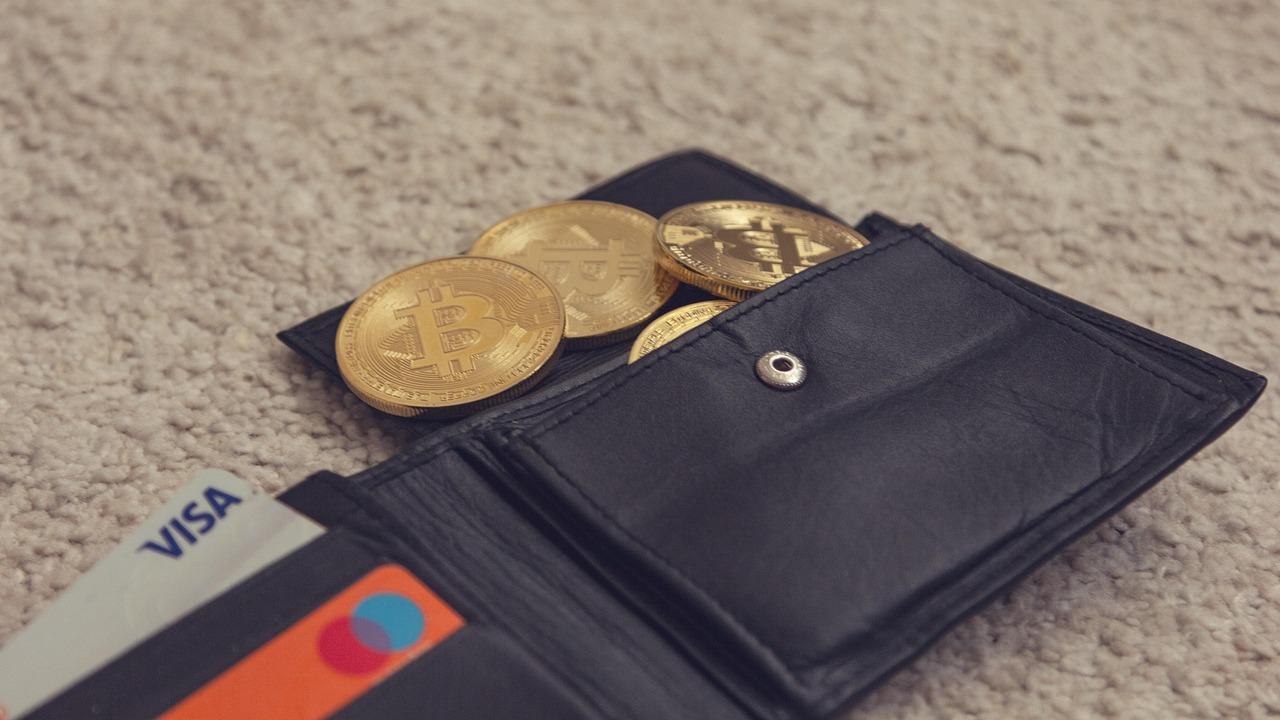
Crypto Wallet Basics: Everything Beginners Need to Know in 2026
Welcome to 2026! If you're just stepping into the world of cryptocurrency, blockchain, and Web3, you've picked an exciting time. What was once a niche technology is now an integrated part of our digital lives, from decentralized finance (DeFi) to non-fungible tokens (NFTs) and even everyday payments. But before you can explore this vibrant ecosystem, there's one fundamental piece of the puzzle you absolutely need to understand: the crypto wallet. Forget what you might have heard in the early 2020s. Today, a crypto wallet isn't just a place to "store" your digital coins; it's your primary gateway to the decentralized internet, your digital identity, and the key to true financial sovereignty. In this comprehensive guide, we'll break down everything a beginner needs to know about crypto wallets in the current landscape of 2026, exploring current trends, essential security practices, and a glimpse into what lies beyond.What Exactly is a Crypto Wallet in 2026?
At its core, a crypto wallet is a software or hardware application that allows you to interact with a blockchain. Unlike traditional bank accounts, your cryptocurrency isn't actually "stored" inside the wallet. Instead, your assets reside on the blockchain itself. Your wallet holds the cryptographic keys – specifically, your *private keys* – that prove your ownership of those assets and allow you to send, receive, and manage them. Think of it this way: the blockchain is a massive, public ledger. Your crypto wallet provides the special "password" (your private key) that unlocks access to your specific entries on that ledger. It also generates your *public address*, which is like your bank account number that you can share with others to receive funds. In 2026, wallets have evolved significantly. They are no longer just for Bitcoin and Ethereum. Modern wallets are multi-chain powerhouses, offering seamless integration with dozens of Layer 1 blockchains (like Solana, Avalanche, Polygon) and increasingly sophisticated Layer 2 solutions (Arbitrum, Optimism, zkSync, Starknet). They're not just for sending money; they're for signing transactions on DeFi protocols, managing your NFT collections across multiple marketplaces, participating in DAOs, and even logging into Web3 applications with a single click.Hot Wallets vs. Cold Wallets: The Fundamental Divide
The first major distinction you'll encounter is between "hot" and "cold" wallets. Understanding the pros and cons of each is crucial for securing your digital assets effectively.Hot Wallets (Software Wallets): Convenience Meets Connectivity
Hot wallets are crypto wallets that are connected to the internet. They are typically software-based and offer incredible convenience for frequent transactions and interactions with Web3 applications.Types of Hot Wallets:
- Browser Extension Wallets: These are plugins for your web browser (e.g., Chrome, Brave, Firefox). MetaMask remains a dominant player in 2026, alongside popular alternatives like Rabby Wallet, Phantom (for Solana and EVM chains), and Keplr (for Cosmos ecosystem chains). They allow you to directly connect to decentralized applications (dApps) and sign transactions with ease.
- Mobile Wallets: Apps for your smartphone (iOS or Android). Trust Wallet, Coinbase Wallet, Exodus, and Rainbow are excellent examples. They offer a user-friendly experience, often with built-in exchange features and NFT galleries. Many mobile wallets now support multi-chain functionality by default, allowing you to manage assets across different networks from a single interface.
- Exchange Wallets: When you buy crypto on a centralized exchange like Binance, Coinbase, or Kraken, your funds are held in a wallet managed by the exchange. While convenient for trading, these are technically "custodial" wallets – meaning you don't hold the private keys. In 2026, while exchanges have significantly improved their security and regulatory compliance, the adage "not your keys, not your crypto" still holds true for those seeking true self-custody.
2026 Trends for Hot Wallets:
- Enhanced User Experience (UX): Wallets are more intuitive than ever. We're seeing integrated gas fee estimators that suggest optimal transaction speeds, built-in scam detection warnings, and even AI-powered smart routing for DeFi swaps to minimize slippage.
- Multi-Chain Dominance: The days of needing a separate wallet for each blockchain are largely over. Most leading hot wallets in 2026 offer native support for dozens of EVM-compatible chains, Solana, Avalanche, and more, with seamless network switching.
- Account Abstraction Lite: While full account abstraction is still developing, many hot wallets are integrating features that mimic its benefits, such as easier social recovery options and delegated transaction signing for certain dApps.
- Integrated Web3 Dashboards: Your wallet is becoming a personalized Web3 hub, allowing you to view all your DeFi positions, NFT collections, and even token-gated content directly within the wallet interface.
Pros and Cons of Hot Wallets (2026):
- Pros: Unparalleled convenience for daily use, easy access to dApps, often free, excellent for active traders and DeFi users.
- Cons: More susceptible to online threats (malware, phishing), private keys are always online (even if encrypted), reliance on the security of your device.
Cold Wallets (Hardware Wallets): The Gold Standard for Security
Cold wallets are physical devices that store your private keys completely offline, making them impervious to online hacking attempts. They are the most secure option for storing significant amounts of cryptocurrency or for long-term "HODLing."Types of Cold Wallets:
- Hardware Wallets: These are small, specialized electronic devices that look like a USB stick or a small calculator. Ledger (Nano S Plus, Nano X, Stax), Trezor (Model One, Model T, Safe 3), and Keystone are the industry leaders in 2026. When you want to send crypto, you connect the hardware wallet to your computer or phone, authorize the transaction on the device itself (often by pressing physical buttons), and then the signed transaction is broadcast to the blockchain. Your private keys never leave the device.
- Paper Wallets: While historically mentioned, paper wallets (printing your private and public keys on paper) are largely outdated and not recommended for beginners in 2026 due to the risk of loss, damage, and difficult recovery. Hardware wallets offer a far superior and more user-friendly cold storage solution.
2026 Trends for Cold Wallets:
- Biometric Security: Many new hardware wallets now feature fingerprint sensors or other biometric authentication methods for an extra layer of security.
- Improved Mobile Connectivity: Seamless Bluetooth or NFC integration with mobile devices is standard, making it easier to manage cold storage on the go without compromising security.
- Intuitive Interfaces: Larger, more detailed screens and improved user interfaces make transaction verification clearer and less prone to user error.
- Integrated NFT Display: Many hardware wallets now allow you to securely view and manage your NFT collections directly from the device's companion app, ensuring your digital art is as secure as your crypto.
Pros and Cons of Cold Wallets (2026):
- Pros: Highest level of security against online hacks, ideal for large sums and long-term storage, true self-custody.
- Cons: Less convenient for frequent transactions, typically incur an upfront cost, risk of physical loss or damage to the device (though funds are recoverable with a seed phrase).
Essential Concepts for Every Beginner in 2026
Regardless of the wallet type you choose, these foundational concepts are non-negotiable for anyone entering the crypto space.Your Seed Phrase (Recovery Phrase): Guard It with Your Life!
This is arguably the single most important piece of information related to your crypto wallet. A seed phrase is a sequence of 12, 18, or 24 seemingly random words (e.g., "apple, brave, ocean, happy, tree..."). This phrase is the master key to your entire wallet and all the funds within it. If you lose your wallet device or forget your password, your seed phrase is the ONLY way to recover your assets.
- NEVER share your seed phrase with anyone, ever. No legitimate service, wallet provider, or person will ever ask for it.
- Write it down physically and store it securely offline. Consider multiple copies in different secure locations (e.g., a safe deposit box, a fireproof safe).
- Do NOT store it digitally (e.g., on your phone, in an email, in cloud storage). If your digital device is compromised, your seed phrase is compromised.
Private Keys: The Ultimate Secret
While your seed phrase generates your private keys, it's good to understand what they are. A private key is a long, alphanumeric string that mathematically proves your ownership of your crypto. Every public address you have has a corresponding private key. Your wallet software manages these for you, but it's the underlying component that gives you control.
Public Address: Your Receiving Address
This is the address you share with others when you want to receive cryptocurrency. It's like your email address or bank account number. It's publicly viewable on the blockchain and completely safe to share.
Gas Fees (Network Fees): The Cost of Doing Business
Every transaction on a blockchain requires a small fee, known as "gas" (on Ethereum and EVM-compatible chains) or a "network fee." These fees compensate the validators or miners who process and secure the network. In 2026, while Ethereum Layer 1 gas fees can still spike during peak congestion, Layer 2 scaling solutions like Arbitrum, Optimism, zkSync Era, and Starknet have made transactions significantly faster and cheaper, often costing mere cents. Most modern wallets will automatically estimate and suggest appropriate gas fees for your transactions.
Multi-Chain & Interoperability: The New Normal
The crypto world is no longer just Bitcoin and Ethereum. In 2026, there are dozens of thriving blockchains, each with its own ecosystem. Your wallet needs to be able to interact with many of them. Look for wallets that offer robust multi-chain support, allowing you to manage assets across different networks seamlessly without needing separate applications.
Self-Custody: The Empowering Principle
This is the core philosophy behind crypto wallets. When you hold your own private keys (via a non-custodial wallet), you are your own bank. You have complete control over your assets, free from the need for intermediaries. This freedom comes with responsibility: you are solely responsible for the security of your wallet and seed phrase.
Choosing the Right Crypto Wallet in 2026
The best wallet for you depends on your specific needs and risk tolerance.- For Small Amounts and Frequent Interactions (DeFi, NFTs, Web3 Gaming): A hot wallet like MetaMask, Rabby, Phantom, or Trust Wallet is an excellent choice. Ensure it has strong multi-chain support for the ecosystems you plan to explore.
- For Large Amounts and Long-Term Storage: A hardware wallet (Ledger, Trezor, Keystone) is highly recommended. This provides the ultimate security against hacks and malware.
- For Beginners with Minimal Holdings: You might start with an exchange wallet for convenience, but as your holdings grow or your interest in Web3 deepens, migrating to a non-custodial hot wallet is a smart next step. Eventually, consider a hardware wallet for significant investments.
Essential Security Tips for 2026
Security is paramount in the crypto space. Even with advanced wallet features, human error remains the biggest vulnerability.- Protect Your Seed Phrase Above All Else: We cannot stress this enough. Never digitize it, never share it.
- Enable Two-Factor Authentication (2FA): For any centralized exchange or service, always use 2FA, preferably with an authenticator app (like Google Authenticator or Authy) rather than SMS.
- Beware of Phishing Scams: Scammers are more sophisticated than ever, often using AI to craft realistic fake websites, emails, and social media messages. Always double-check URLs, verify senders, and never click suspicious links.
- Verify Addresses: Before sending any crypto, always double-check the recipient's address. Copy-pasting can be risky due to malware that swaps addresses. Consider sending a small test transaction first for large amounts.
- Use Strong, Unique Passwords: For any wallet or exchange that requires a password, make it complex and unique. Use a password manager.
- Keep Software and Firmware Updated: Regularly update your wallet software and hardware wallet firmware to benefit from the latest security patches and features.
- Be Skeptical of "Too Good To Be True" Offers: Free crypto, guaranteed returns, or urgent requests for funds are almost always scams.
- Consider a Dedicated Device: For very high-value transactions, some users employ a dedicated, clean computer or phone solely for crypto activities to minimize exposure to malware.
The Future of Crypto Wallets Beyond 2026
The evolution of crypto wallets won't stop here. Looking beyond 2026, we anticipate even more transformative changes:- Full Account Abstraction: This will revolutionize user experience, making wallets feel more like traditional bank accounts while retaining self-custody. Features like social recovery (where trusted friends can help you regain access), gasless transactions, and programmatic spending limits will become standard.
- Interoperable Identity: Your wallet will increasingly serve as your self-sovereign digital identity, managing not just your assets but also your reputation, credentials, and personal data across the entire Web3 landscape.
- Enhanced Biometric Integration: We'll see even more seamless and secure biometric authentication built directly into both hardware and software wallets, moving beyond PINs and even seed phrases for daily interactions.
- Regulatory Clarity & Compliance Tools: As global regulations solidify, wallets may offer optional, privacy-preserving compliance features for institutional users or those operating in specific jurisdictions.
- Ubiquitous Real-World Integration: Your crypto wallet will increasingly be used for everyday payments, tokenized real-world assets (RWAs), supply chain tracking, and more, blurring the lines between traditional finance and decentralized systems.
Comments
Post a Comment